
Dachshund Wiener Dog: 11 Best Pros, Real Cons + Behavior & Care Guide
Thinking about bringing a Dachshund wiener dog into your family? Also known as the classic “sausage dog,” this small hound breed packs a massive personality into a famously long, low body.
If you’re trying to figure out if this breed is the right fit for your lifestyle, you’re in the right place. In this guide, we’re breaking down the real pros and cons, answering the most searched questions about their behavior, and sharing what to expect when you bring one of these little dudes home.
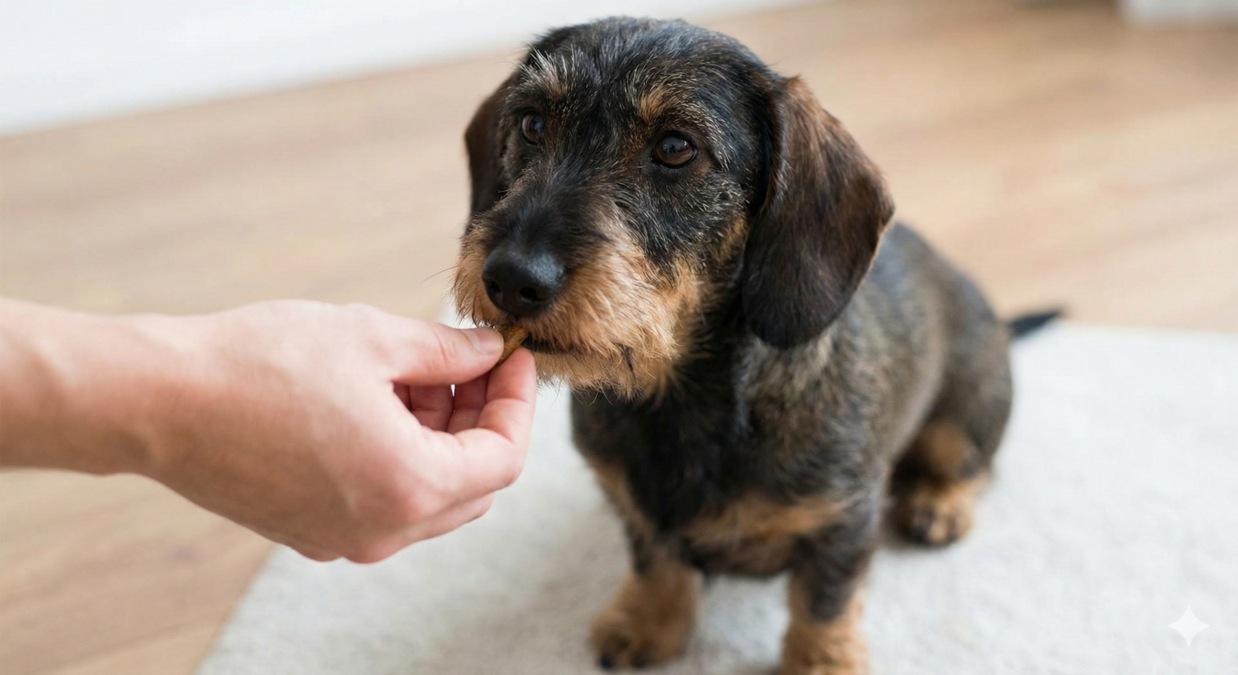
Alt text (exact): Dachshund wiener dog sitting on a living room rug.
Are Dachshunds good house pets?
For the right family, absolutely. A Dachshund wiener dog can make a super loving, entertaining, and loyal house pet. They bond intensely with their humans, making them awesome companions.
However, they are confident, vocal, and can be pretty stubborn. The best match for this breed is an owner who is totally down for consistent training, solid daily routines, and lots of interactive play.
Who should NOT get one?
You might want to pass on this breed if you need a dog that is perfectly quiet, completely obedient without much effort, or happy being left alone all day. Also, think twice if you can’t stay firm with rules—these smart pups will definitely try to negotiate boundaries if they sense you’re being inconsistent!
Pros and cons of a Dachshund wiener dog (The Quick List)
Pros
Pros
- Huge personality: They are fun, bold, and incredibly engaging.
- Apartment-friendly: They fit perfectly in smaller homes and apartments (as long as they get their daily exercise).
- Great watchdogs: They are super alert and will definitely let you know if someone is at the door.
- Variety of looks: They come in three coat types (smooth, longhaired, wirehaired) and tons of colors.
- Loyal companions: They love to shadow their favorite person around the house.
Cons
- Stubborn streak: They are independent thinkers, so training takes serious patience.
- Alert barkers: They love the sound of their own voice.
- Prone to back issues: The breed has a high risk of back/spine problems, which is why understanding IVDD in Dachshunds is so important (https://lovemydoxie.com/ivdd-in-dachshunds/).
- Diggers at heart: As earth dogs, they might try to dig up your yard (or your couch cushions).
- Tricky to potty train: They notoriously hate going outside in the rain or cold. If you are struggling, you’ll definitely need to learn how to potty train a Dachshund properly (https://lovemydoxie.com/potty-train-a-dachshund/).
- High prey drive: They might chase the neighborhood squirrels or cats.
Note: AKC also lists Dachshunds in three coat types (smooth, longhaired, wirehaired).
Which Dachshund is the calmest?
While every dog is an individual, many owners agree that the Longhaired Dachshund wiener dog tends to have the most chill and laid-back temperament compared to the smooth or wirehaired varieties.
However, the true secret to a calm dog is consistent training and daily mental stimulation. A tired pup is a calm pup!
Which Dachshund barks the least?
Barking is in their DNA. The “least barky” Doxie is simply the one that was trained early on with clear boundaries. You have to actively reward quiet behavior, teach a “hush” command, and stop them from rehearsing non-stop barking at the window.
Are they hard to potty train?
Let’s be real—a Dachshund wiener dog can be a huge pain to potty train. They are smart, but very independent, and a lot of them absolutely refuse to get their paws wet in the rain.
A super strict schedule is the only way to win:
- Take them out immediately after waking up, eating, or playing.
- Throw a massive party and reward them with a high-value treat the second they go potty outside.
- If an accident happens indoors, clean it up with an enzymatic cleaner and tighten up your schedule.
Common behavior issues
When looking at the things pet parents search for the most, a few behavioral issues pop up repeatedly:
- Barking and reactivity: Especially at strange noises or delivery drivers.
- Stubbornness: “Selective hearing” when called.
- Separation anxiety: Over-attachment to their owners and freaking out when left alone.
Can a Dachshund wiener dog be left alone for 8 hours?
Honestly? It depends on the dog, but throwing a Doxie into a sudden 8-hour alone-time routine is asking for trouble. Many will struggle with anxiety or boredom (which leads to chewing or barking).
If you work long hours, you need to build up their tolerance gradually. Consider hiring a dog walker, using doggy daycare, or providing heavy-duty puzzle toys to keep their brains busy while you’re gone.
How to discipline a Dachshund wiener dog
Forget harsh corrections—they will just make a Doxie ignore you or get defensive. Positive reinforcement is the name of the game.
- Reward what you want: Give treats for calm greetings, quiet behavior, and going potty outside.
- Manage the environment: If they bark at the window all day, close the blinds.
- Keep training short: Do quick, fun 3-minute training sessions a few times a day to keep them sharp.
What owners should NEVER do
- Don’t reward bad behavior: Giving them attention (even yelling) while they bark just proves to them that barking gets your attention.
- Don’t bend the rules: If they aren’t allowed on the couch on Monday, they can’t be on the couch on Friday. Consistency is key.
- Don’t ignore jumping: Because of their fragile spines, try to stop them from jumping on and off tall furniture. Get them a ramp instead!
FAQ Section
Is a Dachshund wiener dog high maintenance?
They aren’t exactly “high maintenance,” but they absolutely thrive on structure. They need their daily sniff walks, clear rules, and lots of love.
Do they like to be cuddled?
Big time. They are totally affectionate with their inner circle and love burrowing under blankets to snuggle up right next to you.
What foods should I keep away from them?
Always keep human foods like chocolate, grapes, and onions far away from your dog, as they are highly toxic. Even some “safe” foods have rules. For example, if you’re wondering, can dogs eat tomatoes? , the answer is yes, but ONLY if they are perfectly ripe and red!